Costco at CityGate
If your lawn looks tired, thin, or just isn’t responding the way it used to — no matter how much you water or fertilize — compacted soil might be the culprit. Aeration is one of the most effective things you can do to bring your lawn back to life, and timing it right makes all the difference.
What Is Lawn Aeration?
Aeration is the process of creating small holes in your lawn so that air, water, and nutrients can reach the grass roots. Over time, soil gets compacted from foot traffic, mowing, and even rainfall. When soil is too tightly packed, grass roots can’t breathe or grow deep — which leads to thin, patchy turf that struggles to stay green no matter what you do.
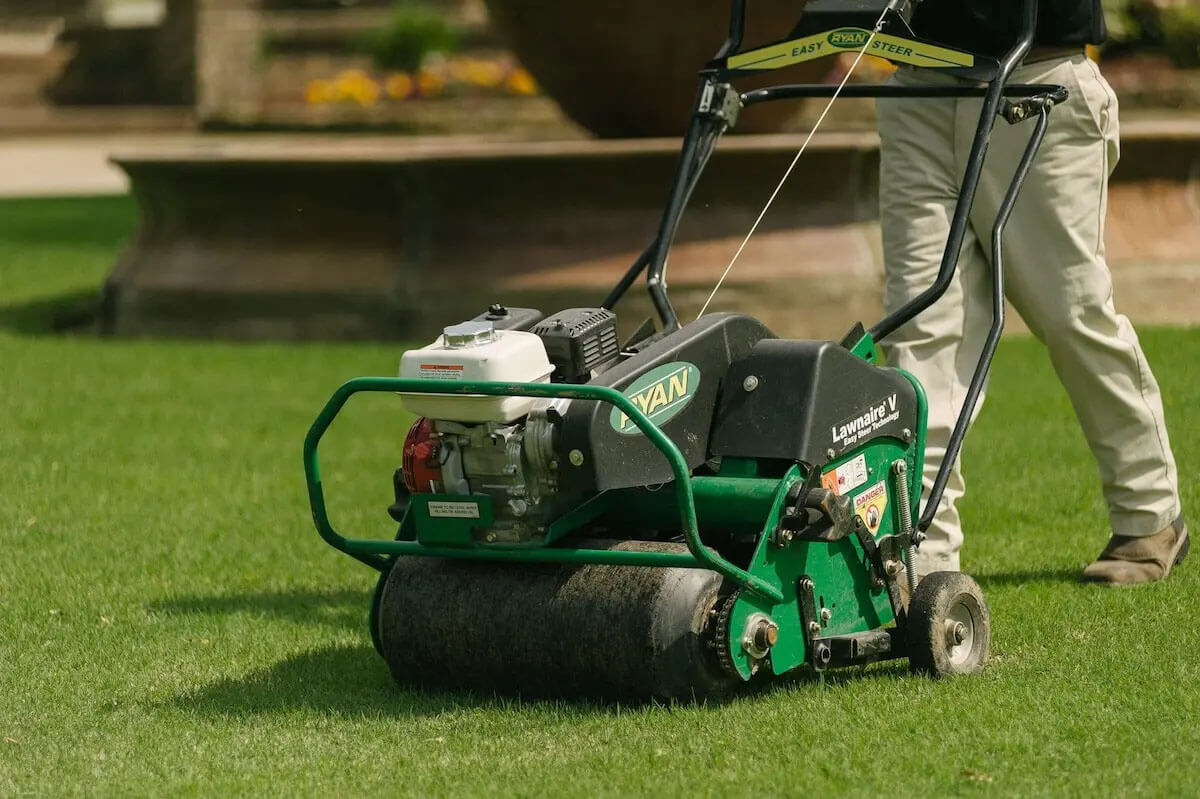
The most common method is core aeration, where a machine pulls out small plugs of soil and deposits them on the surface. Those plugs break down naturally over the following weeks, returning organic matter back into the lawn.

When Is the Best Time to Aerate?
The short answer: it depends on the type of grass you have.
For cool-season grasses — like tall fescue, Kentucky bluegrass, and ryegrass, which are the most common types in South Jersey and the greater Philadelphia area — the best time to aerate is in the fall, typically between late August and mid-October. The grass is actively growing as temperatures cool down, so it recovers quickly and fills in the aerated areas before winter.
Spring aeration can also work for cool-season lawns, but fall is generally preferred because there’s less weed competition and the grass has the whole cool season ahead to bounce back.
For warm-season grasses like Bermuda or Zoysia, late spring to early summer is the better window, since those varieties thrive in higher temperatures.

How Often Should You Aerate?
For most homeowners, once a year is plenty. If your lawn gets heavy foot traffic — think kids, pets, or a lot of outdoor entertaining — aerating twice a year can be a good idea. Lawns with clay-heavy soil also tend to compact more quickly and may benefit from more frequent treatment.
Here’s a simple test: push a screwdriver into your lawn. If it goes in easily, your soil is in good shape. If you have to force it, compaction is likely a problem worth addressing.
What to Do After Aeration
Aeration works even better when you pair it with overseeding and topdressing. Right after aerating, the soil is open and receptive — making it the perfect time to spread new grass seed and a thin layer of compost or topsoil. Together, these steps can dramatically improve a thin or patchy lawn within a single growing season.
It’s also a good idea to water more frequently in the days following aeration to help the lawn recover and encourage seed germination if you’ve overseeded.
Signs Your Lawn Needs Aeration
Not sure if your lawn is due? Watch for these signs:
- The soil feels hard and dense underfoot
- Water puddles on the surface after rain instead of soaking in
- Your lawn has heavy thatch buildup — a spongy layer of dead grass sitting above the soil
- Grass looks thin or patchy despite regular watering and fertilizing
- The lawn has been heavily used throughout the spring and summer
Aeration in South Jersey
South Jersey and the Philadelphia area sit squarely in cool-season grass territory, which means fall is almost always the right time to aerate. Temperatures start to drop in September and October, rain is more reliable, and the grass has time to recover before the ground freezes.
If your lawn is due for aeration this season, Thomas and Son Landscaping is ready to help. We serve homeowners and businesses across South Jersey and the greater Philadelphia area. Contact us today to schedule your lawn aeration and get your grass growing its best.
